

Gainesville offers more than a place to live! It offers a calendar of community gatherings, access to Lake Lanier, green spaces, and a lively civic center. Whether you are comparing neighborhoods, preparing to buy, or considering a move after a life transition, exploring local amenities can help turn a map search into a clearer picture of everyday life.
A Community Calendar That Brings Gainesville Together
From seasonal celebrations to live performances and outdoor gatherings, Gainesville, Georgia, has a rhythm that is easy to notice once you begin paying attention to its public calendar. Events around the historic square, parks, cultural venues, and Lake Lanier create regular opportunities to experience the city beyond a drive-through visit. For prospective home buyers, these moments can be a practical way to learn how different parts of town connect, where people spend their time, and which amenities fit their preferred routine.

The city’s event schedule often includes arts programming, music, holiday activities, recreation programs, local-history events, and community-oriented festivals. Rather than relying on a single landmark or one annual weekend, Gainesville has several settings that support an active calendar throughout the year. The downtown area, parks, performance spaces, and nearby lakefront destinations each offer a different atmosphere, so a visit can reveal more than one side of the community.
Timing matters when you are exploring. A weekday afternoon may show parking patterns, errands, and commute routes, while a weekend event can offer a fuller sense of public spaces and local energy. Visiting at both times can be useful when comparing a home’s location to the places you may visit most often, such as grocery options, recreation facilities, medical offices, trails, or gathering spaces.
A visit during a public event can help you evaluate practical details that listing photos cannot show: travel time, parking access, walking routes, shade, and the pace of nearby activity.
Gainesville’s location in Hall County also makes it a useful base for people who want access to North Georgia’s natural setting while remaining connected to regional employment centers and major roadways. That combination influences what buyers value: some prioritize proximity to the city center, while others focus on lake access, yard space, newer construction, established streets, or a shorter drive to daily destinations. The best fit is personal, and community events provide one more useful lens for narrowing the search.
Explore Gainesville area information
Lake Lanier, Parks, and Everyday Outdoor Space
Water is one of the defining features of the Gainesville area. Lake Lanier offers marinas, boat launches, fishing access, walking areas, and changing seasonal views that shape both recreation and real estate interest. Even for those who do not own a boat, the lake can be a meaningful local amenity: it provides scenic drives, public access points, outdoor activities, and a distinct sense of place that sets this part of North Georgia apart.
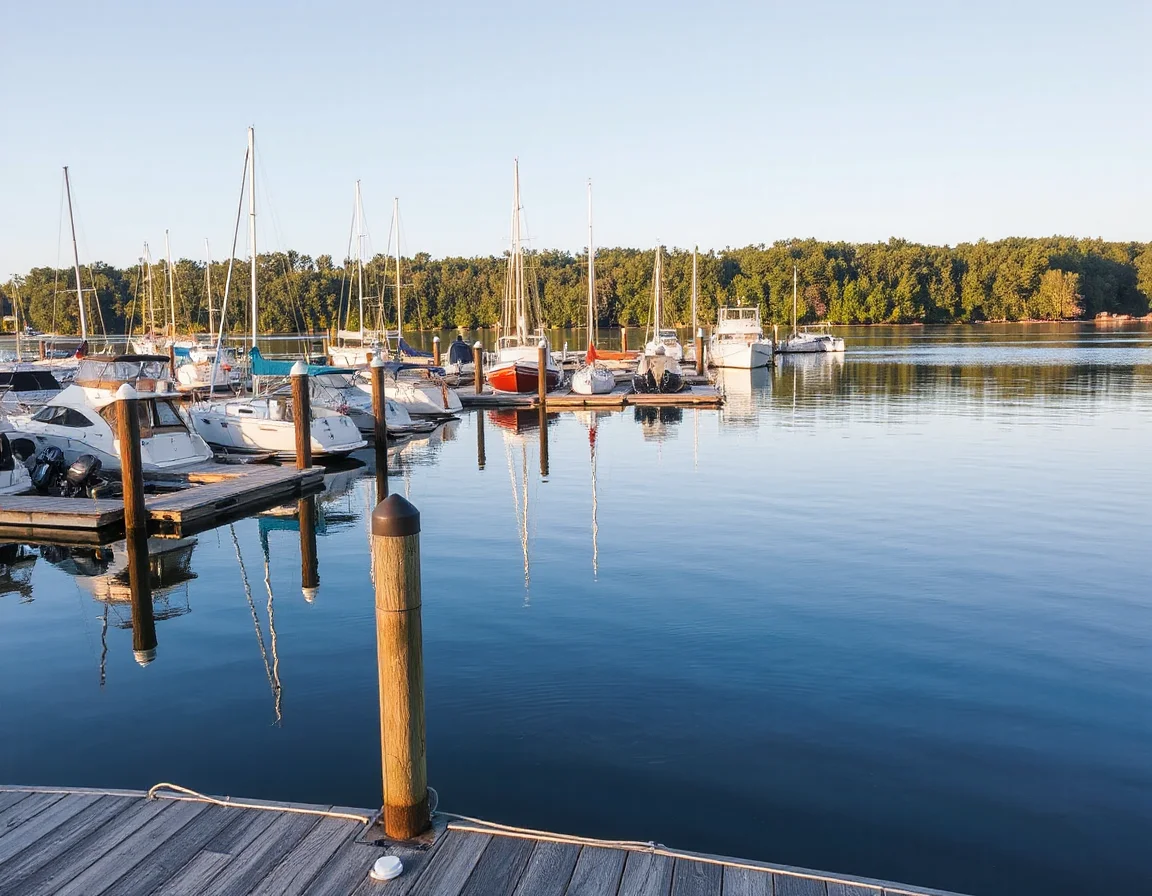
Beyond the shoreline, Gainesville includes neighborhood parks, athletic fields, recreation facilities, and trails that make it easier to build outdoor time into an ordinary week. Green space can be a quality-of-life consideration, but it is also worth evaluating with a practical eye. Look at hours, parking, lighting, maintenance, trail surfaces, public access, and how long it takes to get there from a prospective home. Amenities are most valuable when they work naturally with your schedule.
Seasonal weather gives each visit a different feel. Spring and fall are popular times for walks, lake activities, and community festivals, while summer brings a stronger focus on the water. Cooler months can be especially useful for touring homes because landscaping, drainage patterns, tree coverage, and natural light may be easier to assess without the distraction of peak-season activity.
For buyers interested in a lake-adjacent property, it is important to distinguish between a water view, deeded access, community access, and direct waterfront ownership. Shoreline rules, dock permissions, insurance considerations, maintenance demands, and topography can vary by parcel. A careful review of property records, disclosures, access rights, and local requirements is more valuable than assumptions based on a map pin.
Lake proximity can mean very different things from one address to the next. Confirm access, shoreline conditions, and any applicable restrictions before making a waterfront feature part of your decision.
Amenities That Support Daily Routines
Community character is often built through ordinary conveniences as much as signature attractions. Gainesville offers a regional mix of health care services, educational resources, grocery and retail corridors, public facilities, dining options, and cultural destinations. Northeast Georgia Medical Center is a major local presence, and Brenau University adds educational and cultural activity to the city. These institutions, along with public libraries and recreation programs, contribute to the area’s day-to-day infrastructure.
When evaluating location, make a short list of the places you use often and test the route from each property you are considering. Include work destinations, pharmacies, medical appointments, fitness or recreation options, preferred food markets, and other routine stops. This exercise often clarifies tradeoffs more quickly than comparing square footage alone. A home with the right layout may feel less convenient if every regular errand requires an unexpected detour.
School information is another topic that deserves direct research rather than broad assumptions. Attendance boundaries, program availability, transportation details, and enrollment policies can change. Buyers can consult official district resources and contact schools directly for current information relevant to their needs. This approach keeps the focus on verified facts and helps buyers make informed decisions without relying on generalizations about any neighborhood.
For people navigating an inherited property, probate sale, downsizing decision, or another complex transition, local amenities can also shape preparation and marketing choices. A property’s value story may include access to the lake, nearby parks, medical services, established commercial corridors, or cultural venues, but those features should be described accurately and paired with clear property documentation. Thoughtful planning helps buyers understand both the home and the setting around it.
Make Your Gainesville Visit More Useful
A meaningful Gainesville tour does not have to be complicated. Choose a few neighborhoods or property types, plan one route during the week and another on a weekend, and leave time to stop at a park, lake access point, public event, or civic destination. Notice travel times, road noise, terrain, parking, and the condition of public spaces. Bring questions about property taxes, utilities, homeowners association details, zoning, and any features that affect long-term ownership.
The goal is not to find a universally “best” part of Gainesville; it is to identify the location and home features that support your own priorities. With its calendar of gatherings, lake-centered recreation, parks, institutions, and varied housing options, Gainesville gives visitors plenty of ways to explore before making a move. A well-planned visit can turn local amenities from a brochure list into useful, real-world information for your next decision.