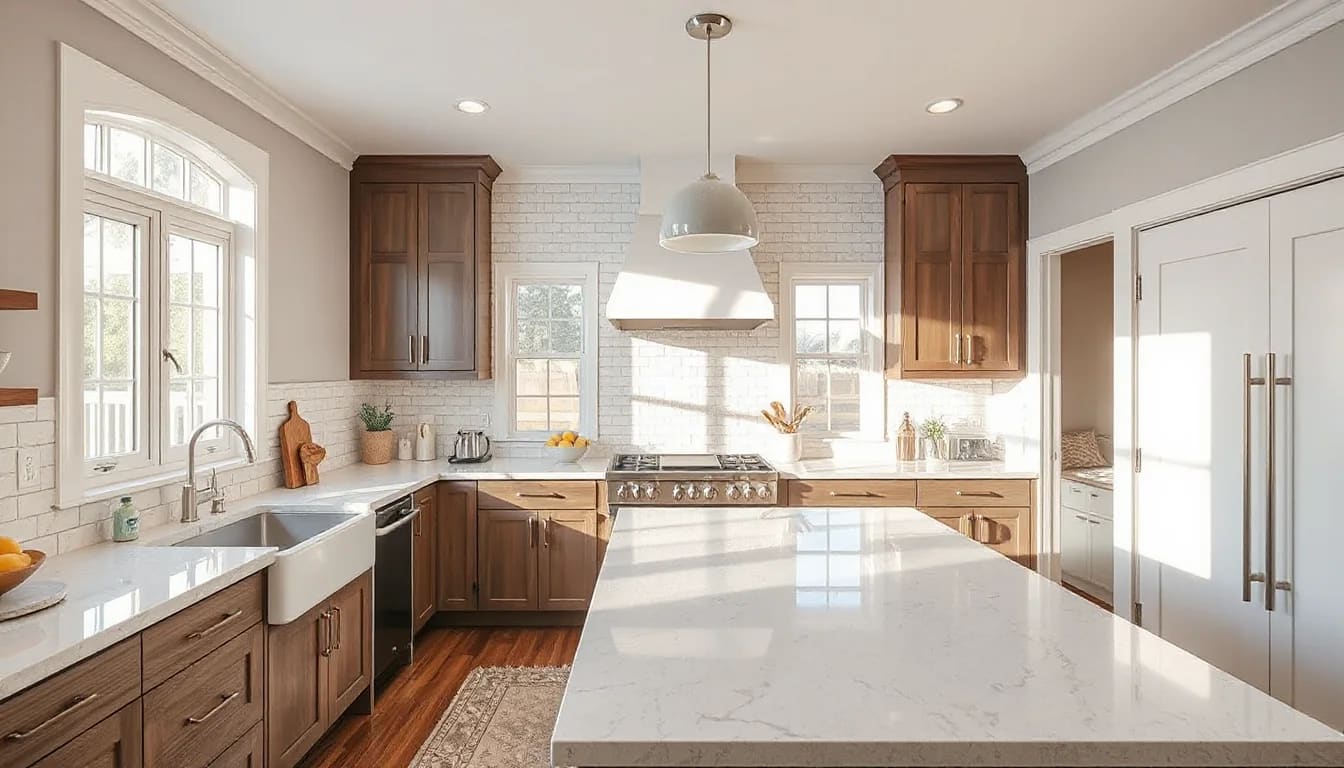

A thoughtful exterior refresh can help a Braselton home make a memorable first impression before a buyer opens the front door. Focus on visible maintenance, welcoming details, and improvements that photograph well—then choose projects that fit the home’s condition, price range, and timeline.
Start With the View From the Street
Exterior upgrades do not have to mean a full renovation. In many cases, the most effective curb-appeal plan begins with a careful walk from the street to the entry. Look for the details a visitor notices in the first thirty seconds: faded trim, an overgrown shrub blocking a window, a porch light that no longer works, or a driveway edge that needs attention. These small signals shape expectations about how the rest of the property has been maintained.
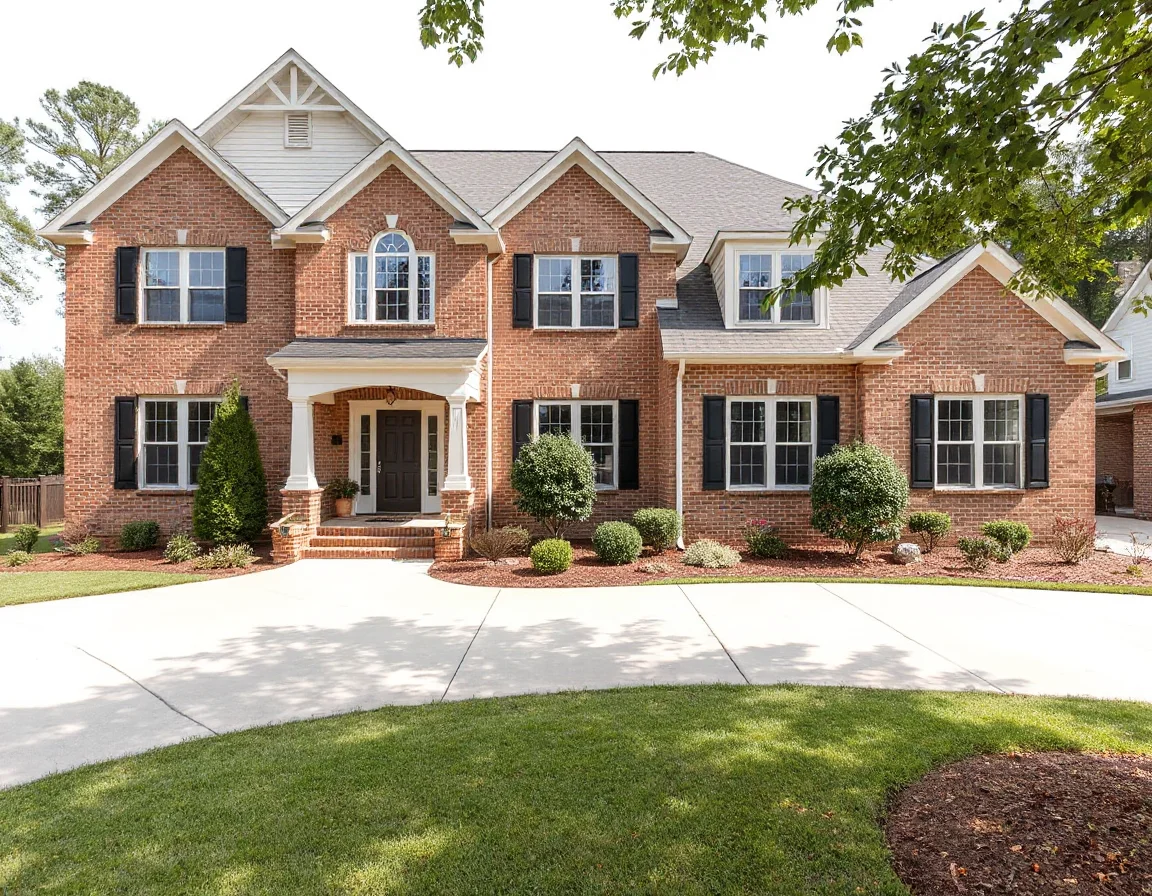
Begin by cleaning rather than replacing. Pressure-washing siding, walkways, porch floors, gutters, and the driveway can restore contrast and reveal the home’s original materials. Clear leaves from roof valleys and landscaping beds, wash exterior windows, and make sure house numbers are easy to read from the road. These practical tasks create a more polished look while also helping a seller identify repairs that may need professional attention.
Paint is another high-impact tool when used strategically. A freshly painted front door, repaired porch railing, updated shutters, or crisp trim can add definition without requiring a major exterior overhaul. Choose colors that complement the roof, brick, stone, or siding already in place. For a home heading to market, a restrained palette often provides a clean backdrop for listing photography and lets architectural features stand out.
The strongest curb-appeal upgrades often solve a visible maintenance issue first: clean surfaces, working lights, neat edges, and a clearly defined entry can change the entire approach to a property.
Lighting deserves close attention, especially because many property tours happen after work or during changing seasonal daylight. Replace mismatched or weathered fixtures with coordinated options that suit the home’s scale. Check bulbs, address numbers, door hardware, and any pathway lights at the same time. The goal is not to over-decorate; it is to make the approach feel cared for, functional, and easy to navigate.
Create a Defined, Low-Maintenance Entry
The front entry is where curb appeal becomes personal. A porch, stoop, or covered entry should give buyers a clear visual destination. Start with the basics: secure handrails, a clean threshold, a door that opens smoothly, and a doormat in good condition. If the entry feels dark, crowded, or hidden by plants, a few deliberate changes can make it more inviting in person and more legible in photographs.
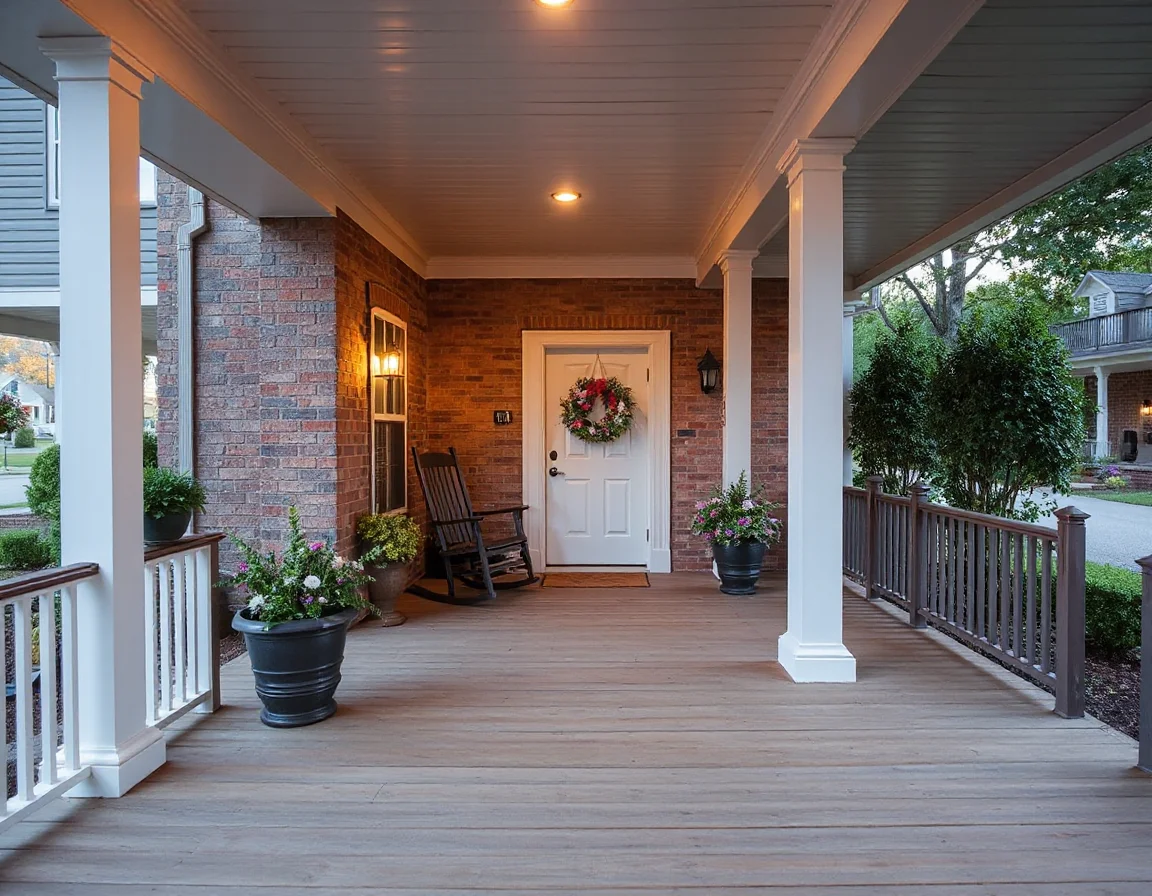
Keep accessories edited and purposeful. A pair of simple planters, seasonal greenery, or a modest seating arrangement can add warmth without obscuring the door or limiting walking space. Avoid relying on highly personal décor to do the work of maintenance. Buyers tend to respond more strongly to a clean, repaired setting where they can focus on the home’s features, including the roofline, porch depth, windows, and exterior finishes.
Landscaping should frame the home rather than compete with it. Trim shrubs away from windows, remove dead plant material, edge beds, refresh mulch where needed, and correct any branches that interfere with the driveway or entry path. In Braselton’s warm, humid climate, choosing hardy plants and maintaining adequate spacing can make the yard look intentional while keeping future upkeep more manageable. A landscape professional can be worthwhile when drainage, grading, mature trees, or substantial overgrowth are involved.
Do not overlook the mailbox, garage door, and side yard. These features may not be the focal point of a listing photo, but they contribute to the overall sense of order. A straightened mailbox, touch-up paint on a garage door, concealed bins, and a tidy side gate can reinforce the message that the property has been prepared with care.
Choose Upgrades That Match the Home and Market
Before committing to a large project, consider the home’s current condition and the likely return on time and money. Replacing an aging roof, repairing damaged siding, addressing drainage concerns, or correcting wood rot may matter more than adding decorative features. Buyers and inspectors will notice unresolved exterior issues, and tackling them early can help prevent last-minute negotiation stress once a contract is in place.
For cosmetic upgrades, consistency matters. If the home has traditional brick architecture, a coordinated door color, simple hardware, and well-kept beds may be more effective than a dramatic style change. If the property has newer construction details, updated fixtures and a clean landscape can reinforce its contemporary appearance. The best decisions support the home’s existing character instead of trying to make it resemble a different property.
It is also wise to plan around photography. Listing images should show a clean yard, clear driveway, open blinds, and an unobstructed front view. Move vehicles, hoses, bins, and temporary project materials before photos are taken. If the home is being prepared after an inheritance, during a probate process, or as part of a major transition, a prioritized checklist can make the work feel much more manageable: address essential repairs first, then clean, paint, landscape, and stage the exterior details.
A well-prepared exterior does not need to look newly built. It needs to look maintained, coherent, and ready for a buyer to explore with confidence.
Budget is important, but so is timing. Exterior contractors, painters, landscapers, and pressure-washing services may have limited availability during busy selling seasons. Start estimates early and ask which repairs should be completed before listing versus documented for buyers. A real estate professional can help compare the scope of proposed work with nearby competing homes and determine where preparation dollars are likely to have the greatest visual impact.
Finish With a Practical Pre-Listing Walkthrough
Once projects are complete, step outside and view the home as if you are arriving for the first time. Stand at the curb, then walk the driveway, front path, porch, and side yard. Check for peeling paint, loose hardware, uneven walkways, overgrown branches, visible utility items, and outdoor lights that need replacement. Take photos from several angles; they often reveal clutter or unfinished details that the eye overlooks.
Thoughtful curb appeal is not about chasing every trend. It is about presenting a property honestly and attractively, protecting its strongest features, and reducing avoidable distractions. Whether the home is a long-held residence, an inherited property, or part of a complex sale, a focused exterior plan can create a calmer preparation process and a stronger first impression when it matters most.