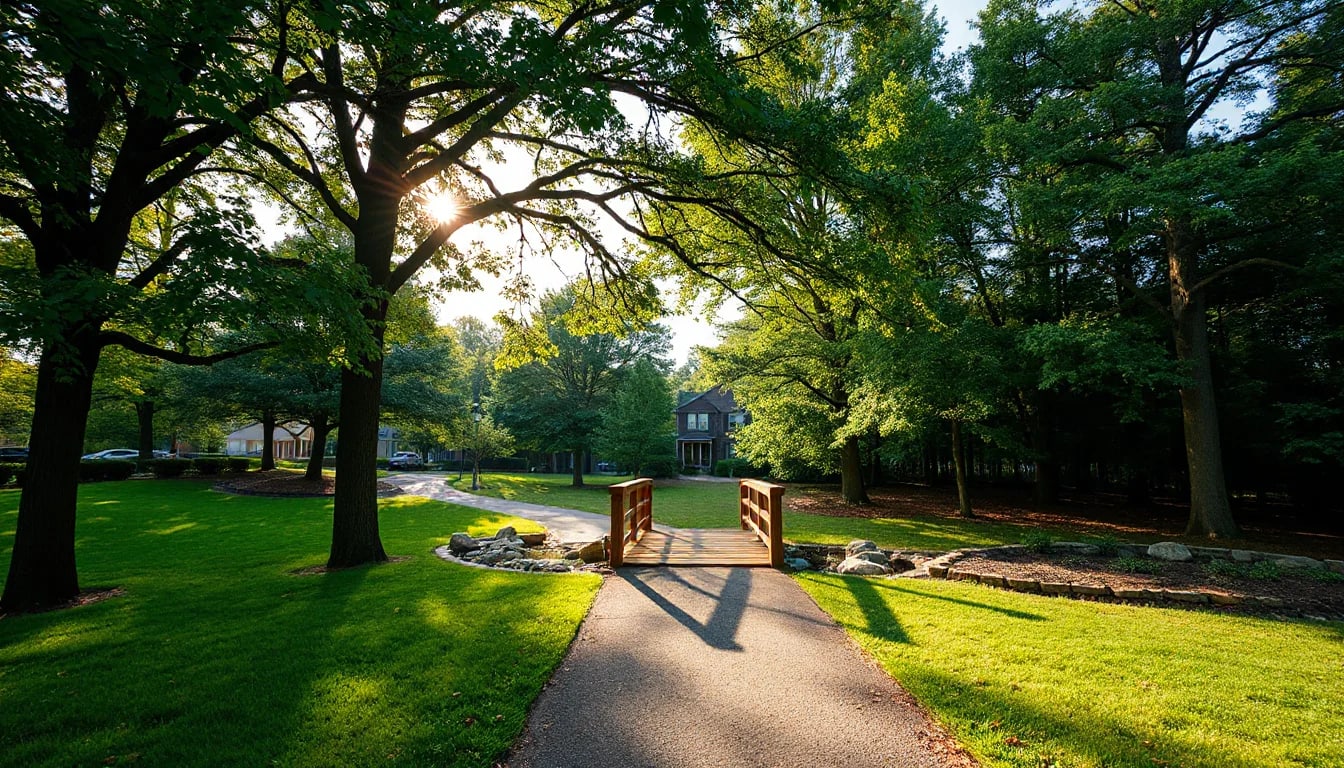
Dacula offers a practical mix of green space, everyday conveniences, and road connections to major parts of metro Atlanta. From trails at Little Mulberry Park to shopping near Highway 316, understanding the area’s rhythm can help home buyers compare locations with confidence and plan a more efficient home search.
A Closer Look at Dacula’s Everyday Convenience
Dacula sits in eastern Gwinnett County, where established neighborhoods, newer residential development, local services, and open green space all share the landscape. The city’s setting offers a distinctly suburban pace while keeping several major travel corridors within reach. For anyone considering a move, it is useful to look beyond a listing’s square footage and evaluate the places that shape an ordinary Tuesday: the route to work, the nearest trail, the grocery run, and the places available for an afternoon outdoors.
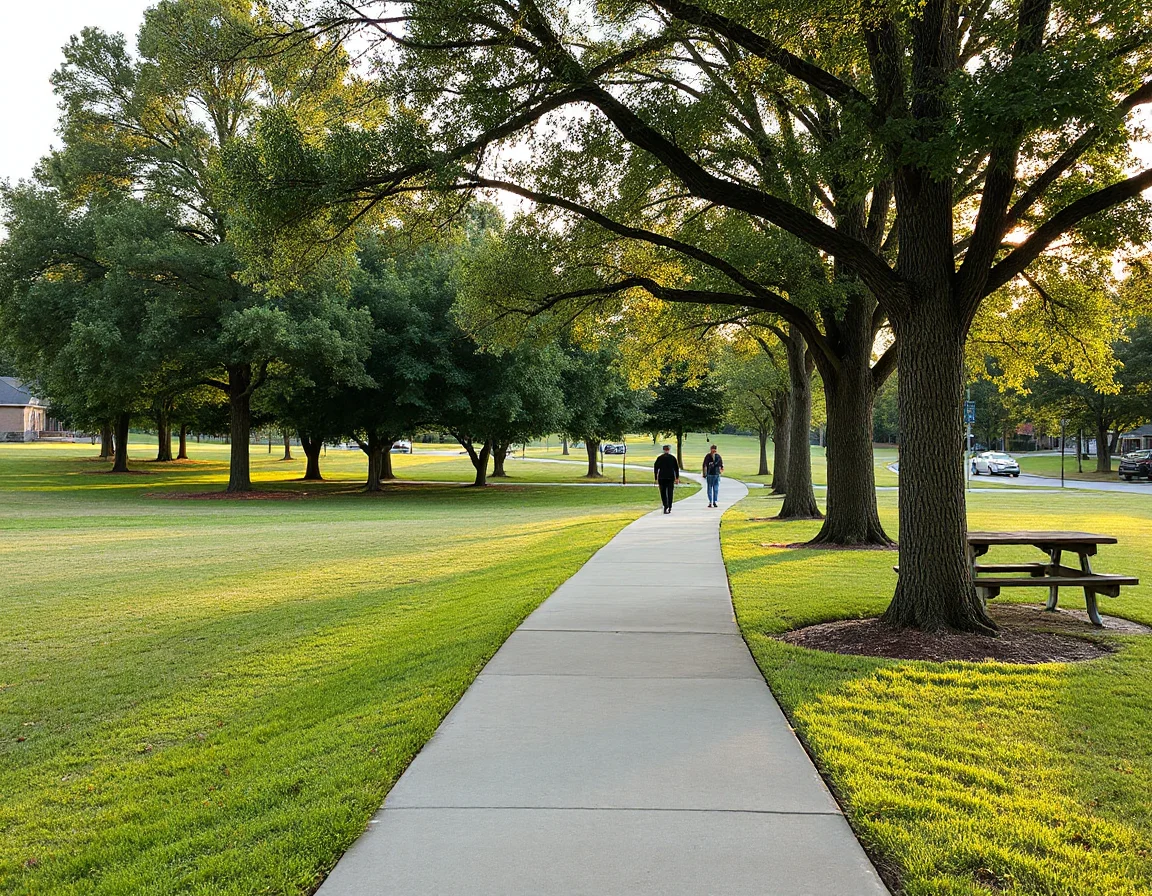
The community has grown while retaining access to daily essentials close to home. Commercial areas along Atlanta Highway, Dacula Road, and the Highway 316 corridor provide grocery options, personal services, fitness facilities, dining choices, and other routine stops. That variety matters when comparing homes in different parts of the area: two properties may be only a few miles apart, yet have noticeably different routes to errands and major roads.
Dacula’s town center and nearby public gathering spaces also provide a local point of reference for community events and seasonal activities. The city’s Town Green has hosted concerts, festivals, and other public programming, giving residents a walkable outdoor setting for local occasions. It is worth checking the city calendar directly when planning a visit, since event schedules and programming can change throughout the year.
For buyers, the key is to test the routes that matter personally rather than relying on a map alone. Drive or navigate from a prospective home at the time of day you would actually travel. Note school-zone information through the appropriate district resources if it applies to your household, check sidewalk continuity where walking is important, and see whether your preferred grocery, recreation, or health-care destinations fit naturally into your routine.
A home search in Dacula becomes more precise when every showing includes a route check: travel from the property to Highway 316, your frequent errands, and one preferred recreation spot before making comparisons.
Housing choices can range from established homes with mature landscaping to newer construction communities and properties with more room between neighboring homes. Inventory, condition, pricing, and available features shift over time, so current listings tell a more useful story than broad assumptions about any one part of town. A thoughtful search can focus on layout, maintenance needs, lot characteristics, association requirements, and proximity to the destinations you use most.
Parks and Outdoor Time Close to Home
One of the strongest location advantages around Dacula is access to Gwinnett County’s park system. Little Mulberry Park, located nearby, is widely known for its extensive natural setting, trails, open fields, picnic areas, and opportunities for outdoor recreation. Its size makes it feel different from a small neighborhood green: visitors can return repeatedly and choose a different route, gathering area, or activity depending on the day.

Nearby Rabbit Hill Park adds another option for organized recreation and open-air activity. Facilities and programming can evolve, but county parks commonly provide useful amenities such as walking paths, athletic fields, play areas, pavilions, and courts. Checking the Gwinnett County Parks and Recreation website before visiting is the best way to confirm current hours, field availability, reservations, trail notices, and event details.
Outdoor amenities can influence a home decision in subtle ways. A nearby park may offer a convenient place for a morning walk, an easy route for a weekend bike ride, or simply a change of scenery after a workday. At the same time, buyers should consider practical details such as parking, access points, seasonal activity, and the distance from a property to the park entrance rather than assuming a park shown nearby on a map is equally convenient from every street.
For sellers, these nearby assets can be part of a clear, fact-based marketing picture. Listing descriptions and conversations can highlight objective proximity to named parks, trails, roadways, and services without making assumptions about a buyer’s household or lifestyle. A well-prepared listing helps interested buyers identify whether the home’s location aligns with their own priorities.
Shopping Corridors and Local Services
Much of Dacula’s everyday commerce is distributed along the roads that connect the city to surrounding communities. The Highway 316 corridor is especially important, linking local shopping areas and services with destinations toward Lawrenceville, Athens, and other points along the route. The area around Hamilton Mill Road and surrounding commercial centers also broadens the selection of routine errands, dining, professional services, and retail.
Instead of treating “near shopping” as a universal benefit, it helps to define what that phrase means for your schedule. Some buyers prioritize a short drive to groceries and pharmacies. Others care more about access to home-improvement supplies, medical offices, recreation facilities, or a particular route for commuting. During a tour, build a list of your frequent destinations and compare actual drive times, traffic patterns, and turn access from each home under consideration.
Parking, road noise, nearby construction, and future development are equally important details. A property near a busy corridor may offer convenient access while producing a different sound level or traffic experience than a home deeper within a residential area. Visiting more than once—ideally at different times of day—can reveal how the surroundings feel during rush hour, midday, and evening.
Convenience is not measured only in miles. A direct turn onto a familiar route, reliable access to essentials, and a realistic traffic check can make a larger difference than a location pin that looks close on a map.
Commute Facts Worth Checking Before You Buy
Dacula’s road network is a central part of its appeal and its planning process. Georgia State Route 316 provides a major east-west connection, while Highway 29, Dacula Road, Harbins Road, and nearby routes help connect local neighborhoods to employment centers, services, and neighboring cities. Depending on the destination, trips may involve Interstate 85, local arterial roads, or a combination of both.
Commute time is highly variable. Weather, construction, accidents, school schedules, and the exact starting point within Dacula can all change a drive substantially. Rather than relying on a single online estimate, check navigation tools during your normal travel window on several days. If possible, take the route in person and identify backup options. This approach is especially helpful when deciding between homes that offer different access to Highway 316 or Interstate 85.
Public transportation availability, park-and-ride options, and remote-work needs are also worth researching independently based on your specific destination and schedule. For a home office, buyers may want to assess room layout, natural light, internet-provider availability, and cellular service at the property. These practical checks create a fuller picture than commute distance alone.
Dacula is not one single experience; location within the area can shape access to parks, shopping corridors, and the roads used most often. Taking time to compare those details can turn a broad search into a focused decision. Whether you are exploring a purchase, preparing an inherited property for sale, or navigating a complex real estate transition, a local plan built around clear facts can make the next step feel far more manageable.