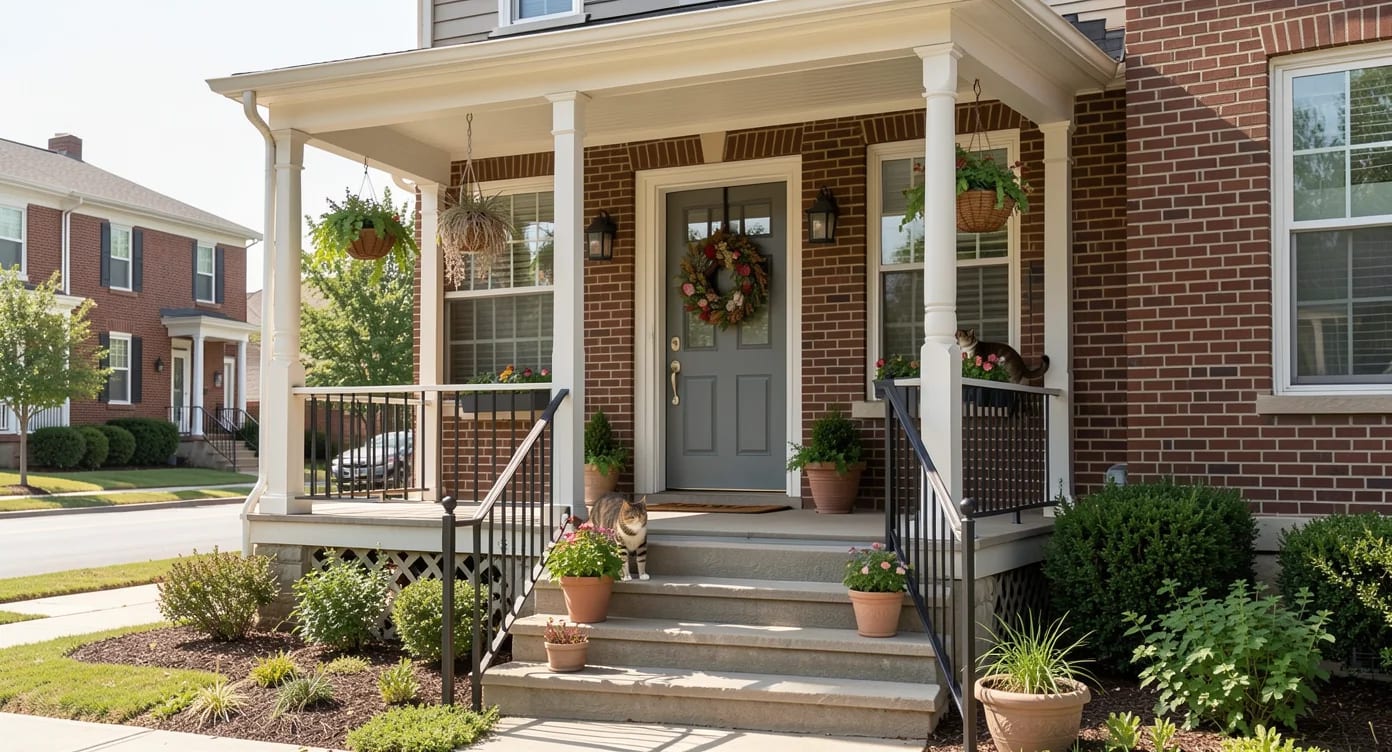
A home inspection can reveal maintenance needs and potential repair costs before you commit to a Flowery Branch home. The most useful plan starts with understanding your contract deadlines, choosing the right professionals, and knowing how you’ll respond to the findings. Here’s how to make that information work for you.
Start with the Inspection Timeline
Once your offer is accepted, there may be a limited window to investigate the property and decide how to proceed. Your purchase agreement—not a general rule of thumb—sets the dates and explains what options are available. Review those terms with your agent as soon as you have a binding contract, and schedule the inspection promptly.
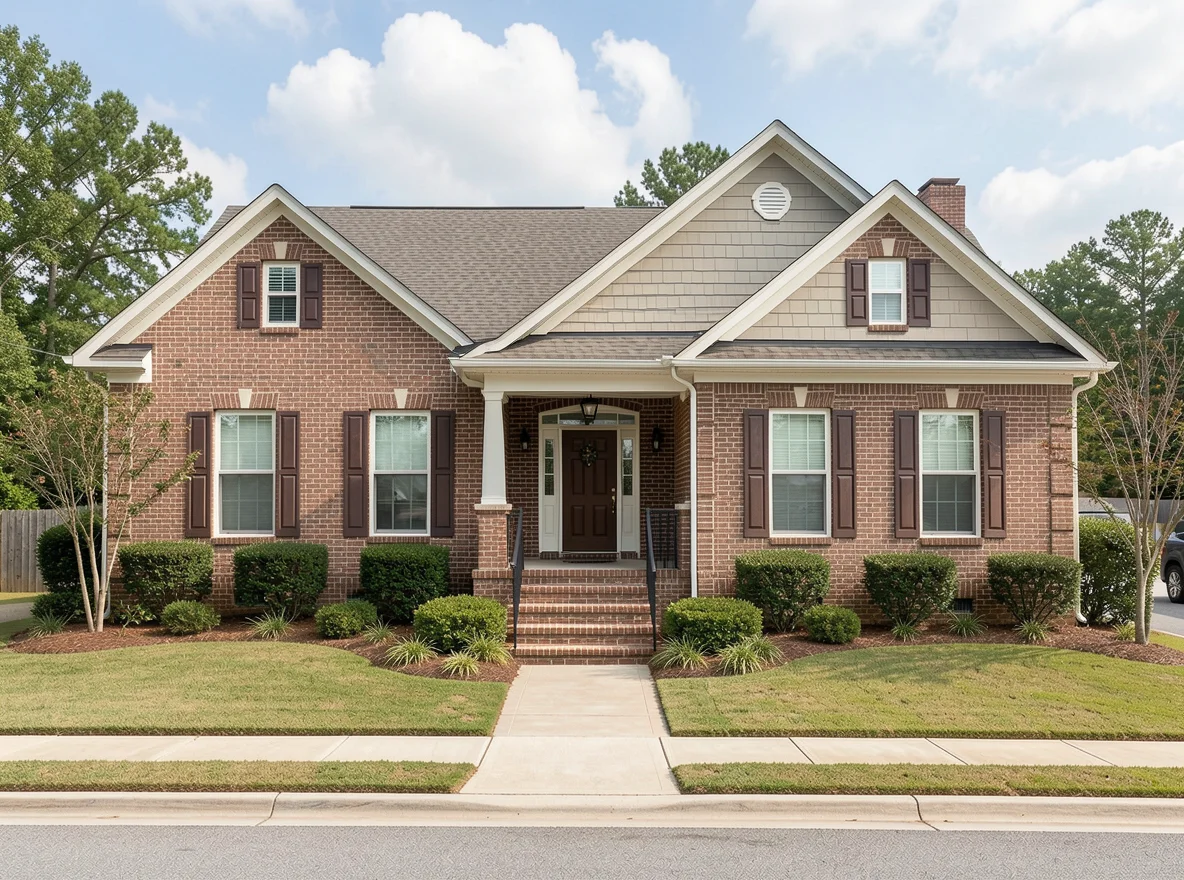
Leave enough time for more than the initial visit. If the inspector recommends a roofer, electrician, structural engineer, or other specialist, you may need to arrange another appointment and review an estimate before your contractual deadline. Availability can vary, so waiting until the end of the inspection period can leave you with important questions unanswered.
Ask your agent how the agreement calculates the deadline, what notice is required, and how that notice must be delivered. The consequences of requesting repairs or terminating a contract depend on its terms and the circumstances. If you have a legal question about your rights or earnest money, consult a Georgia real estate attorney.
An inspection is also different from an appraisal. An inspector evaluates accessible aspects of a home’s condition; an appraisal generally helps a lender assess value for financing. One does not replace the other, and a lender’s appraisal is not a comprehensive condition report.
Schedule early enough to allow for specialist visits and estimates—not just the initial inspection report.
Choose an Inspector and Understand the Scope
Before booking, ask prospective inspectors about their experience, report format, turnaround time, fees, and what their service covers. Request a sample report if one is available. A clear explanation of findings can be just as valuable as a long list of photographs.
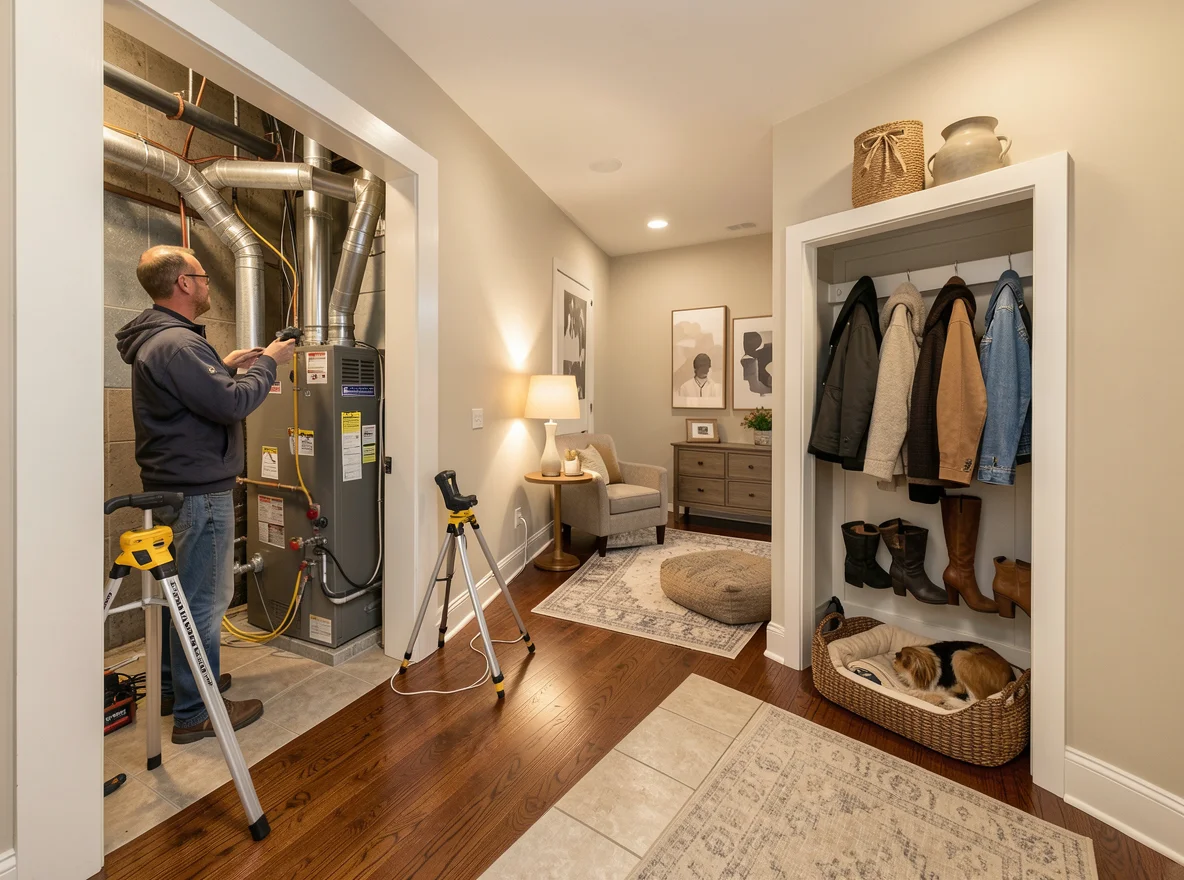
A general inspection typically focuses on readily accessible components, which may include the roof, exterior, plumbing, electrical systems, heating and cooling equipment, interior spaces, and visible structural elements. The inspector’s agreement and applicable standards define the actual scope. Areas concealed behind walls, blocked by belongings, or otherwise inaccessible may not be evaluated.
Ask whether you can attend the inspection or meet the inspector afterward. Walking through the property together can help you distinguish a routine maintenance item from a concern that deserves further investigation. It is also a chance to learn where important shutoffs are located and ask how major systems operate.
Keep the inspection fee and any specialist costs in your buying budget. Prices vary by provider, property, and services requested, so obtain quotes directly. Spending time on the scope and scheduling upfront can help you decide which questions are worth answering before you move forward.
Consider Property-Specific Testing
Not every home calls for the same additional services. Depending on the property and your concerns, you might discuss a separate wood-destroying organism inspection, a sewer scope, or an evaluation of a septic system or private well. Ask each professional what the service includes, when results will be available, and whether access or seller permission is needed.
Moisture is another issue worth discussing with your inspector. Look for an explanation of visible staining, drainage around the home, and conditions in accessible crawl spaces or basements. A visible symptom does not always establish its cause; an appropriate specialist may be needed to determine the source and recommend a solution.
For a newly built home, an independent inspection can still be useful. Ask about the builder’s process for addressing findings and any applicable warranty procedures. If construction is incomplete, discuss what can be inspected now and whether another visit is appropriate before closing.
A general inspection may identify signs of a problem without determining its cause or repair cost. Build time into your schedule for a qualified specialist when needed.
Read the Report with Priorities in Mind
Inspection reports can feel overwhelming because they document many observations at once. Start by separating significant system concerns and potential safety issues from ordinary wear, maintenance recommendations, and cosmetic details. Ask the inspector which items need prompt attention, which should be monitored, and which fall outside the inspection’s scope.
For significant findings, consider obtaining written estimates from qualified contractors. A report may describe a condition without providing a reliable price for correcting it. Estimates can help you compare the cost and timing of a repair with your available funds and your plans for the home.
Remember that no inspection guarantees a problem-free property. Inspectors cannot see every concealed condition or predict exactly when a component will fail. Ask questions about uncertainty, then decide whether the remaining unknowns are acceptable to you.
Questions to ask after the visit
- Which findings warrant evaluation by a specialist before the deadline?
- Were any areas or systems inaccessible or not tested?
- What maintenance should be planned soon after closing?
- Can a contractor provide an estimate within the available time?
Decide What to Request—and Plan for Closing
After reviewing the findings, discuss your options with your agent. Depending on the agreement, you may decide to proceed as planned, request repairs or another negotiated adjustment, or consider terminating under an applicable contract provision. A request is not the same as an agreement: the seller’s response and any changes should be documented according to the contract.
If a price adjustment or credit is being considered, check with your lender before assuming it will work with your loan. Financing rules and the transaction’s terms can affect how an adjustment is handled. For substantial repairs, clarify who will perform the work, what documentation will be provided, and when completion is expected.
Before closing, use the final walk-through to check the property’s condition and any agreed-upon work, as permitted by your contract. A walk-through is not a substitute for the earlier inspection, but it offers an opportunity to raise unresolved concerns promptly with your agent and closing attorney.
Explore the Georgia home buying guide
A thoughtful inspection process is about making an informed decision, not finding a flawless house. With a clear timeline, the right specialists, and a realistic plan for maintenance and repairs, you can approach a Flowery Branch purchase with a better understanding of both the home and your next steps.