

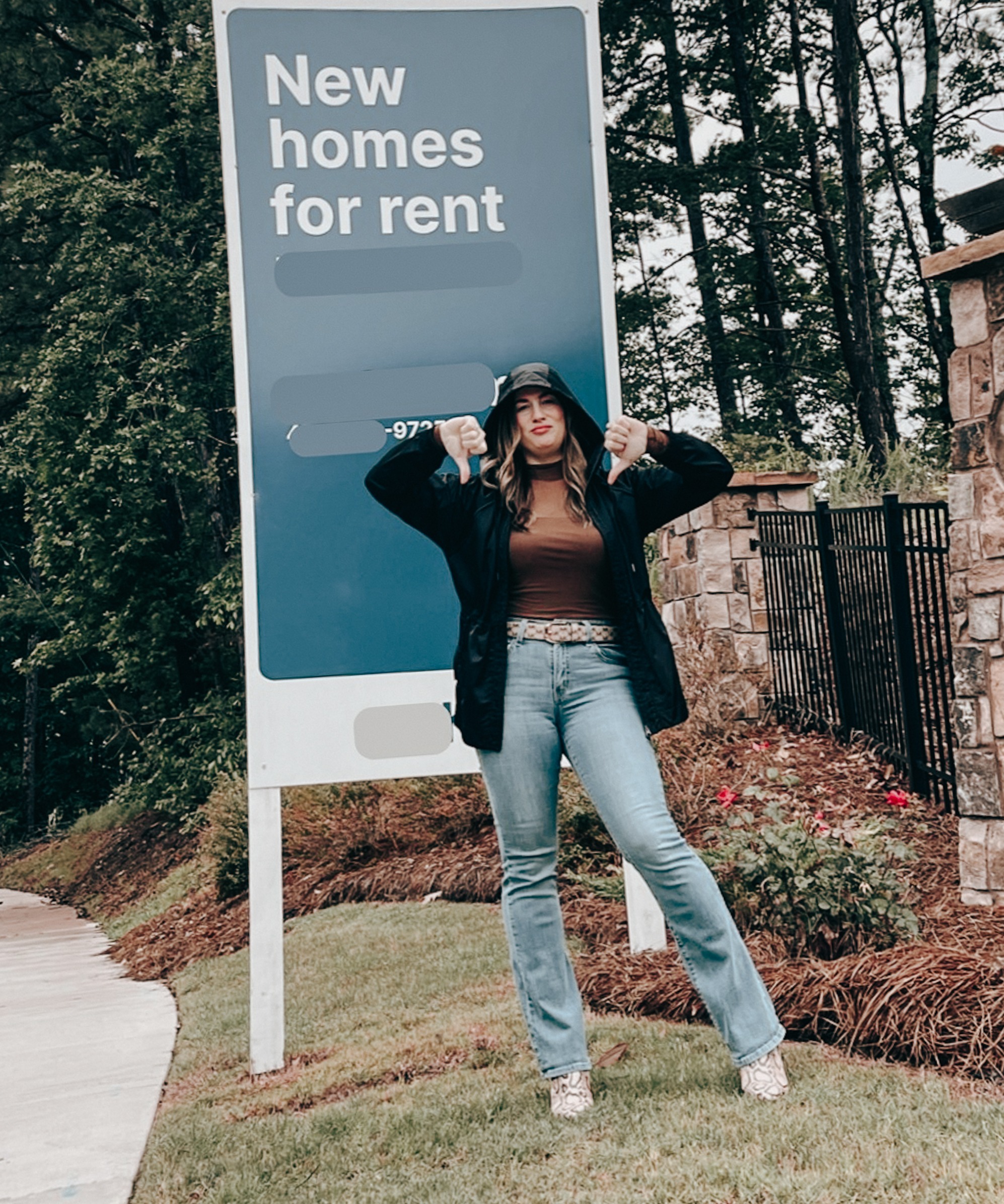
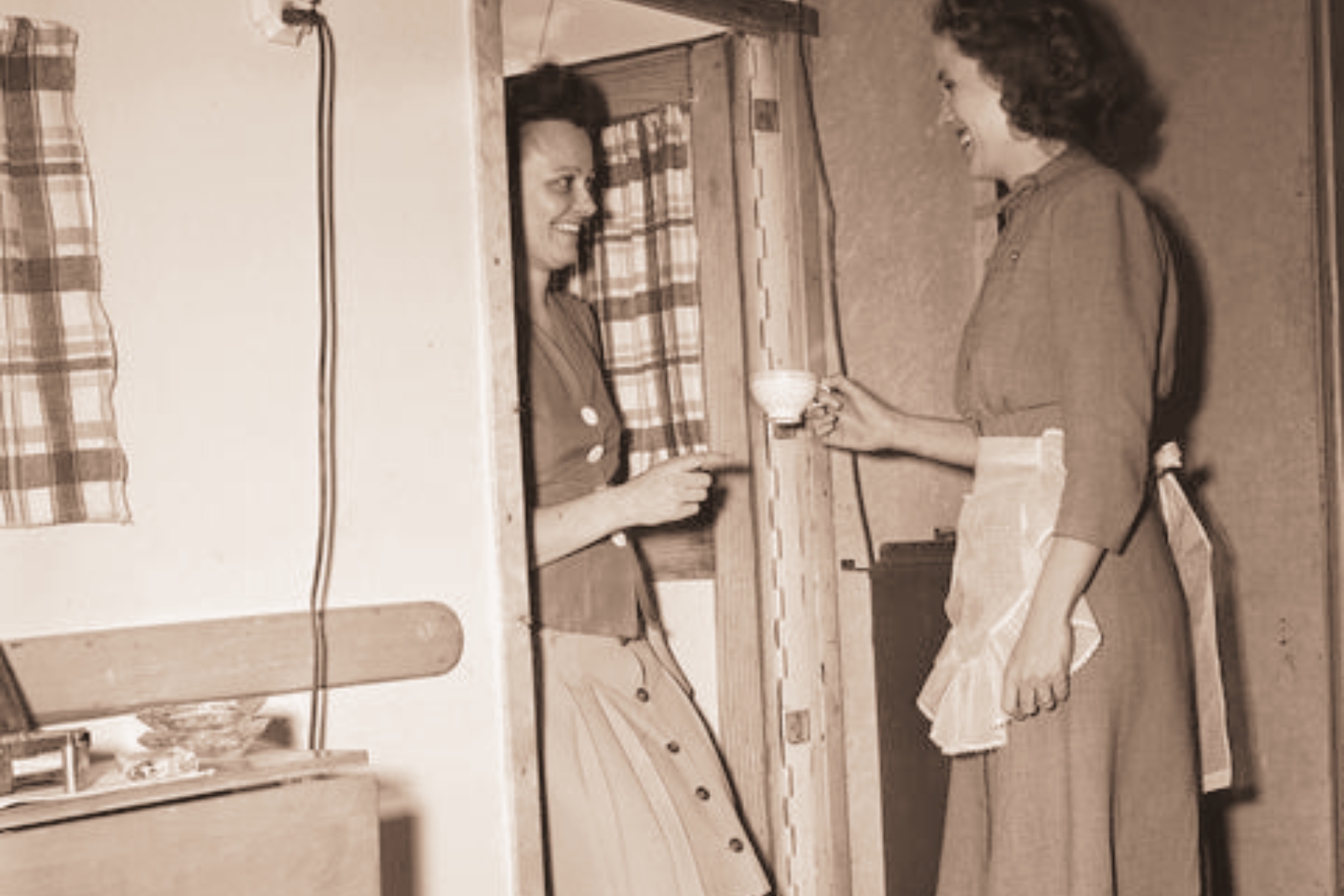
 Remember when moving into a new home meant a warm welcome, a knock at the door, and maybe even a plate of fresh baked cookies from your new neighbor? Ahhh, the beginning of a blossoming friendship or maybe even years of a new frenemy you get to laugh about over coffee with your family. Those simple gestures/experiences are seemingly disappearing. Today’s housing crisis isn’t just a financial issue it’s erasing front porch friendships and turning neighbors into strangers. As developers continue to build rental only neighborhoods and home inventory stays dried up, we’re not just losing places to buy we’re losing the heart of what made neighborhoods feel like home.
More recently it seems as though this new trend has been attempting to reshape our housing market. You may be wondering, where the heck all the available real estate is, thinking to yourself “is this it?!” where did all the available to purchase houses go? If you’ve noticed a lot of new developments going up over time and you’ve been searching for a home but STILL feel as though you’re coming up short, Trust me, you are NOT imagining things. There is a mounting inventory of homes that are, in fact, being built. However, they are not being built for your dream of home ownership, they are being built and offered strictly as rentals.
Developers are buying up mass amounts of land, building entire neighborhoods of single family homes, and then holding them back from the market. Instead of selling these homes to individuals or families, they’re offering them exclusively as rentals. So, what is going on? Why does it matter and why should everyone pay close attention?
Large scale developers, sometimes backed by institutional investors or private equity firms, are building ENTIRE SUBDIVISIONS and renting them out. It’s called “Build to Rent” or BTR. These aren’t small duplexes or apartment complexes. These are fully built out neighborhoods with lawn space, 3 or 4 bedroom homes, and community amenities.
They have discovered that by holding onto the inventory and operating as landlords, they can create consistent cash flow, capitalize on rising rental prices, and retain long term asset value (DUH, no kidding) and from a business standpoint, it makes total sense. But from a community perspective, it’s pretty friggin' concerning!
Why Should You Care?
It Creates an Artificially Limited Supply
By building homes and refusing to sell them, developers are withholding inventory from the market. That artificially inflates prices and makes it harder for individuals/families to buy in turn making homeownership less practical and virtually out of reach.
Shifting Power Dynamics
Traditionally, homeownership has been an attainable American Dream. But if corporations and investors hold a growing portion of the housing stock, it feels more likely that we could move toward a society of permanent renters and that in itself is something we all should consider fighting against, not just for ourselves but our future generations as well.
*To be quite honest and in my opinion this trend feels as though it has some similarities and compares in essence with countries like Switzerland and Germany, where renting has long been the norm and is deeply integrated into their housing policies. However, in stark contrast renters in those countries seem to have more protection with stable rent pricing, and long-term leases, making renting a secure, respected lifestyle rather than a temporary phase. Meanwhile, in the U.S., these rental communities often lack the same tenant protections, and the model is driven more by investor returns than resident stability. This shift reflects not just a change in housing availability but also the beginning of a transformation in how Americans live and build wealth.
Sadly Neighborhood Dynamics are Affected
 Owner-occupied communities typically have more stability and long-term residents. When entire neighborhoods are transient and managed by corporations with call centers instead of community boards, it creates a community that is less neighborly and strictly more transactional. This certainly will not be leaving much room for comfort when you need to borrow your neighbor’s sugar or a cup of milk. Instead, it creates walls/distance, a lack of bonding and the inability to create a place in time for future nostalgia, in turn potentially harboring somewhat of a cold and numbing environment.
Who wants that?!
How Are They Doing it?
Policy Loopholes! In many areas, zoning laws and incentives intended to promote affordable housing are being used by developers to build rental-only communities. Who’s watching? Who benefits? It’s worth asking!
An example of a technical loophole would be developers snaking around rules that have been set in place with the intention to make housing more affordable. For example, in some areas, if a builder puts up a certain number of homes, they have to include a few affordable ones for lower-income buyers. But to avoid this rule, some developers will build just 1 less home than what is needed to meet that threshold. This way, they don’t have to offer any affordable units at all! Even though the rules were meant to help people buy homes, developers are finding ways around them and using the land to build entire neighborhoods of homes that are only available for rent.
Who’s Truly Behind This?
While some local builders are taking advantage of this approach it really comes from Wall Street-backed developers and institutional investors (of
course). Companies with billion-dollar portfolios are quietly turning housing into more investments that will maintain a steady stream of revenue.
Corporations like Blackstone, American Homes 4 Rent, and Invitation Homes are well known for this. But there are hundreds of smaller developers running their game under the radar, buying up land and building with the intention of being “Rental Only” It’s not a bad idea for THEM but it’s all-around crappy for people trying to buy their own home in those markets.
What Can Be Done?
While Developers are just taking advantage of what they can and responding to market demand and investor incentives, we need to not just sit on our hands but instead try to combat these practices. We need to shine a light on what’s happening and ask some questions.
- Should municipalities limit the number of homes in a community that can be
rented? - Should there be a “first-right-to-purchase” for local residents before entire
neighborhoods are turned into rentals? - Should zoning boards be more transparent about who’s building what and why?
Personally, my answers are all YES, YES, YES!!!
Other options to consider:
Zoning Reform (Duplexes, Triplexes, ADUs):
Many neighborhoods only allow one house per lot, which limits how many people can live there. Changing zoning rules to allow two or three units (like duplexes or triplexes) or small backyard homes (called accessory dwelling units or ADUs) can create more housing without building huge apartment complexes. More housing options mean more chances for people to buy instead of rent.
Support First-Time Homebuyer Programs:
The government offers help for first-time buyers, like money toward a down payment or tax breaks. By speaking up, voting, we can make sure they get funded and expanded which would make homeownership more affordable for more people. However, the requirements should remain strict, and IMO only be used for those that truly need assistance.
Renovation Loans (like FHA 203(k)):
These are loans that let you buy a fixer-upper and borrow extra money to make repairs in one mortgage. It’s a great option if you can’t afford a move-in-ready home or want to avoid competing with big investors who skip over homes that need work.
Co-buying with Friends or Family:
If buying a home alone is too expensive, some people team up with trusted friends or relatives to buy a home together. Everyone shares the costs and ownership. It’s a creative way to get into a home when prices are high and income alone doesn’t stretch far enough.
Be Sure to Research and Vote in Your Municipal Elections!
These are all practical things everyday Americans can do or support to make buying a home possible again. There’s a thin line between growth and exploitation, and right now we’re walking it. If we don’t take a closer look at who’s building homes and whoever gets to live in them, we risk losing more than just home ownership. We risk losing the traditional American dream of obtaining assets, financial stability and building generational wealth in terms of real property. What do you think? Have you noticed rental-only neighborhoods popping up in your area? Do you think developers should be held at bay to give potential homeowners first dibs on properties/land?
If you’re looking to buy in this market, let’s talk about strategy. Contact me to help you navigate your options!